

Age End
“Tell us,” they said, “when will this happen, and what will be the sign of your coming and of the end of the age?”

Matthew 24:3-8 (NIV)
3 As Jesus was sitting on the Mount of Olives, the disciples came to him privately. “Tell us,” they said, “when will this happen, and what will be the sign of your coming and of the end of the age?”
4 Jesus answered: “Watch out that no one deceives you. 5 For many will come in my name, claiming, ‘I am the Messiah,’ and will deceive many. 6 You will hear of wars and rumors of wars, but see to it that you are not alarmed. Such things must happen, but the end is still to come. 7 Nation will rise against nation, and kingdom against kingdom. There will be famines and earthquakes in various places. 8 All these are the beginning of birth pains.”
The Question on the Mountain
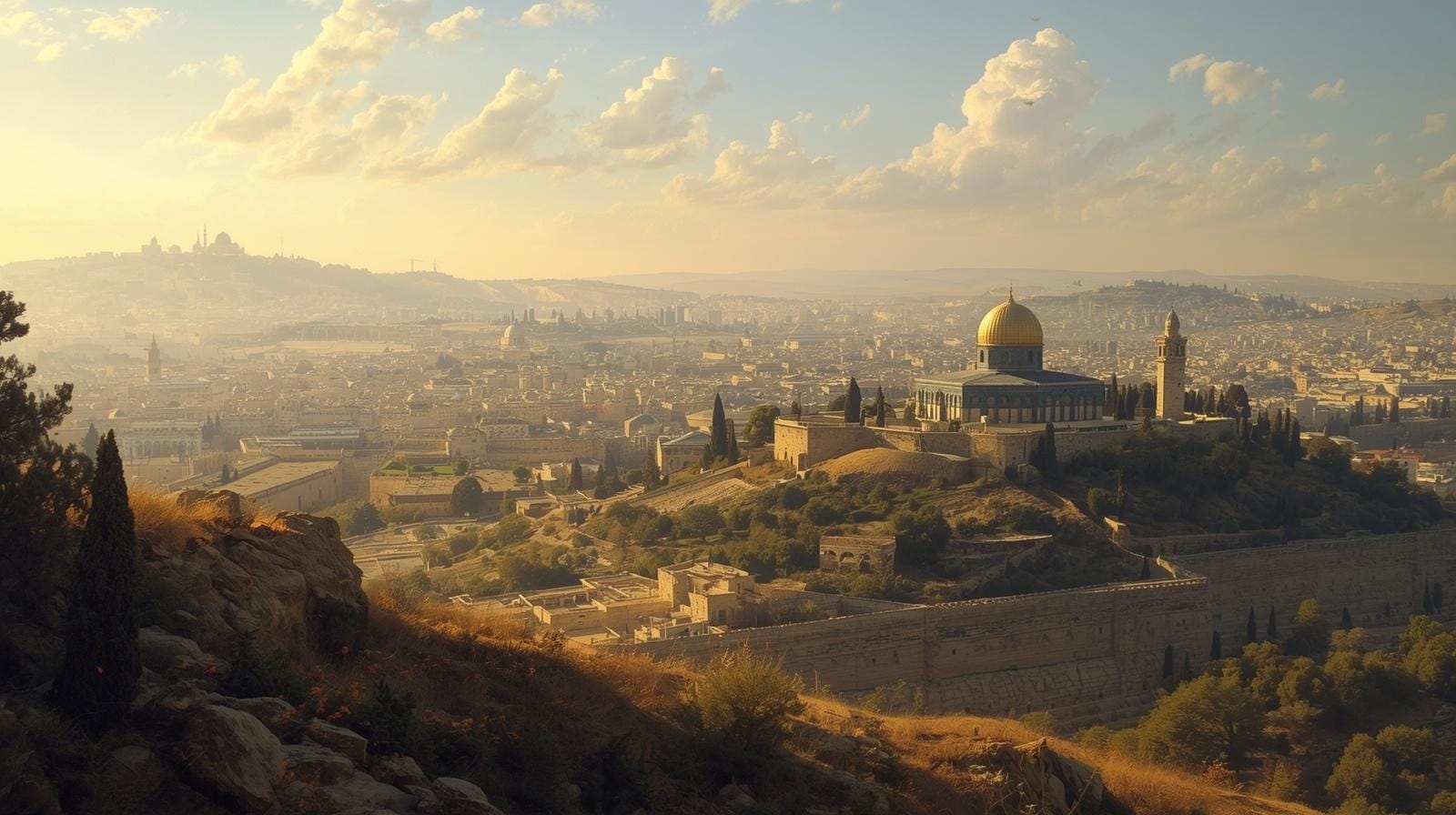
The disciples had just walked away from the temple. Jesus had told them that not one stone of it would be left on another. And so they come to Him privately — on the Mount of Olives, overlooking the city — and they ask the question that must have been pressing in all of them.
When will this happen? And what will be the sign?
It is a very human question. We want to know when. We want to know what to look for. We want a map so that when things begin to move we will not be caught off guard. The disciples are not being faithless by asking. They are being human. And Jesus answers them — though not in the way they were probably expecting.
He does not give them a date. He does not give them a neat sequence of events with a clear endpoint. He gives them something more useful. He gives them a posture.
Watch Out That No One Deceives You
The first word of Jesus’ answer is not a sign. It is a warning.
Watch out that no one deceives you.
Before He says anything about wars or famines or earthquakes, He addresses the condition of the person who will be living through these things. The first danger He identifies is not external — it is internal. It is the danger of being misled.
Many will come claiming to be the Messiah. Many will deceive many. The word many appears twice in verse 5 and it is not accidental. This is not a warning about a few fringe figures that will be easy to dismiss. It is a warning about a widespread pattern — credible-seeming claims made by people with enough conviction or charisma to pull large numbers of people after them.
The person Jesus is most concerned about protecting is not the person who faces suffering. It is the person who, in the middle of suffering and confusion and desperation, reaches for the wrong thing. Who follows the wrong voice because the right one felt too quiet. Who is deceived not out of stupidity but out of genuine hunger for answers in a world that has stopped making sense.
The warning comes first because deception is the greatest danger of uncertain times.
Do Not Be Alarmed
Then Jesus turns to the signs themselves. And the first thing He says about them is also unexpected.
See to it that you are not alarmed.
Wars. Rumours of wars. Nation against nation. Kingdom against kingdom. Famines. Earthquakes. The list sounds like a summary of everything that causes alarm. And yet Jesus says — do not be alarmed. These things must happen. The end is still to come.
There is a crucial distinction here between awareness and alarm. Jesus is not telling the disciples to be unaware of what is happening in the world. He is not calling them to a kind of spiritual detachment that ignores suffering and conflict. He is telling them not to be controlled by it. Not to let the noise of the world dictate the condition of their hearts.
The person who is alarmed cannot think clearly. Cannot discern truth from deception. Cannot hold steady for others who need steadiness. Alarm hands control of our inner life over to circumstances — and circumstances in this passage are described as increasingly chaotic. A faith that only holds when things are calm is not yet mature faith.
See to it is a deliberate phrase. It is an act of the will. Jesus is not promising that alarming things will not happen. He is calling His followers to actively guard the condition of their hearts in the middle of things that would naturally produce alarm.
These Things Must Happen
There is something important in the phrase Jesus uses — such things must happen.
Not might happen. Not could happen. Must.
Jesus is not describing a world that has slipped outside of God’s awareness or control. He is describing a world moving through a process that God has allowed and that will reach its conclusion in Him. The must is not fatalism — it is sovereignty. The chaos is real but it is not the final word. It is not evidence that things have come apart. It is evidence that things are moving.
This reframes everything that follows. Wars and famines and earthquakes are not signs that God has abandoned the world. They are not proof that history is running away from its Author. They are — in Jesus’ framing — the beginning of something, not the end of everything.
Birth Pains
The image Jesus uses for all of this is one of the most carefully chosen in the passage.
All these are the beginning of birth pains.
Birth pains are not the sign that something is dying. They are the sign that something is coming. They are painful, yes — increasingly so as they intensify. They are disorienting. They demand everything from the person going through them. But they are purposeful. They are moving toward something. And the person who understands what they are enduring can hold on in a way that the person who has no framework for it cannot.
The disciples are being given a framework. What you will see — the conflicts, the disasters, the upheaval — is not the death of history. It is the labour of it. The world is not falling apart. It is moving, painfully and at great cost, toward a birth.
That does not make the pain less real. Birth pains are genuinely painful. Jesus is not minimising what His followers will go through. He is giving it meaning. He is placing it inside a story that has a destination.
The Posture Jesus Is Building
Look at what Jesus has given the disciples in these few verses — not a timeline, but a posture.
Stay alert. Do not be deceived by the voices that offer easy answers to hard times. Do not be alarmed by the chaos — guard your heart deliberately and by an act of will. Understand that what is happening is not outside of God’s purposes. And hold the framework of birth pains — suffering that is purposeful, pain that is moving toward something.
This is the posture of a person who can remain standing when everything around them is shaking. Not because they are unaffected. Not because they know exactly when it will end. But because they know who holds the end. And they have been told — by the One who does know — not to be afraid.
The disciples wanted a sign. Jesus gave them something better. He gave them a way to live through what is coming without losing themselves in it.
Walk On
The world today does not look so different from the one Jesus was describing.
Wars and rumours of wars fill every screen. Voices claiming authority and certainty compete loudly for our attention. The noise is relentless and it is designed — whether intentionally or not — to produce exactly the alarm Jesus warned against.
The call of this passage is not to disengage. It is to hold the right posture. Stay alert to deception. Guard your heart against alarm. Remember that what feels like collapse may be labour. And keep your eyes on the One who told you these things before they happened — because that is the only voice worth following when everything else is loud.
Do not be deceived. Do not be alarmed. The end is not yet — but He is. And that is enough.
All glory to God — forever and ever. Amen. 🤍
If this reflection spoke to you, consider subscribing to follow along my journey of faith, meditation, and rebuilding — one day at a time. Your support truly means more than you know. ❤️