

Conflict Within
Now the men and their wives raised a great outcry against their fellow Jews.

Nehemiah 5:1–5 (NIV)
1Now the men and their wives raised a great outcry against their fellow Jews. 2 Some were saying, “We and our sons and daughters are numerous; in order for us to eat and stay alive, we must get grain.”
3 Others were saying, “We are mortgaging our fields, our vineyards and our homes to get grain during the famine.”
4 Still others were saying, “We have had to borrow money to pay the king’s tax on our fields and vineyards. 5 Although we are of the same flesh and blood as our fellow Jews and though our children are as good as theirs, yet we have to subject our sons and daughters to slavery. Some of our daughters have already been enslaved, but we are powerless, because our fields and our vineyards belong to others.”
When Conflict Comes From Within
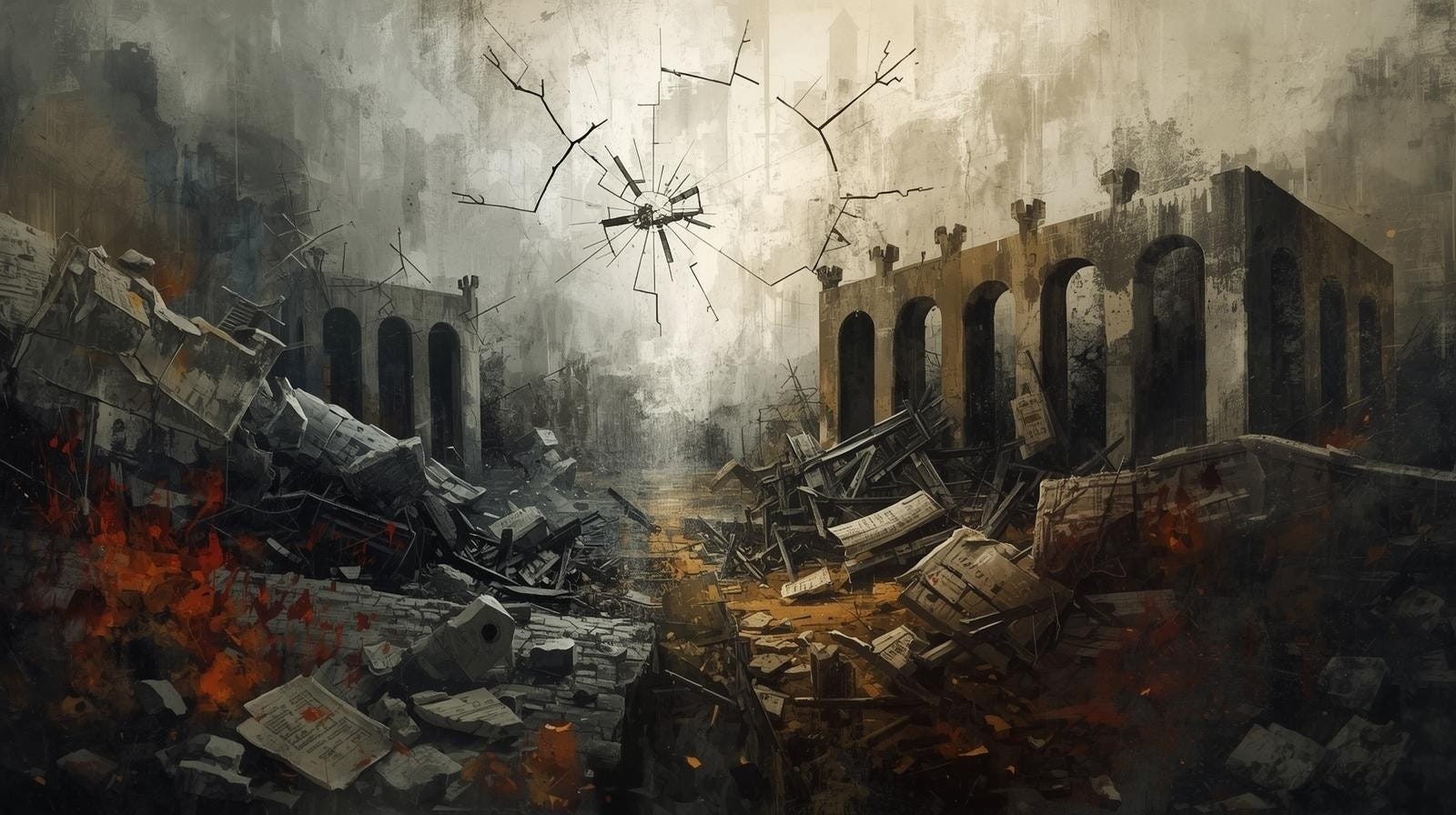
Today’s sermon focused on Nehemiah 5 and reminded us that conflict does not always come from external enemies. Sometimes the greatest damage happens from within.
When people begin to focus on personal gain, divisions appear. We may start treating those closest to us — colleagues, family members, even fellow believers — in ways that are no longer Christ-like.
When enemies cannot destroy from the outside, destruction often begins internally.
Many battles are not fought between armies, but through broken relationships, selfish behavior, injustice, and growing resentment.
Broken Walls, Broken People
Nehemiah reveals that it was not only Jerusalem’s walls that were damaged — the people and their economy were also broken.
The passage shows three levels of suffering among the people.
Some had no food because they were fully committed to rebuilding the walls and could not tend to their fields. Participation in God’s mission had placed them in physical lack. Not all suffering is visible, but unseen burdens are still real — and God sees them.
If you are carrying hidden pain today, may God bring relief and lighten the burdens you hold.
Others were forced to mortgage their homes or borrow money just to survive and pay taxes. Some even had to subject their children to slavery. What makes this tragedy heavier is that this suffering came not from foreign enemies, but from their own people exploiting them.
External pressure rarely destroys a community. Often, it is internal injustice and selfishness that lead to collapse.
Recognizing Conflict the Godly Way
Nehemiah shows us how to confront conflict in a godly manner.
First, the cry of the oppressed was heard. The presence of outcry revealed injustice. We must learn to be sensitive when people around us are hurting.
Second, a godly leader confronts courageously. Nehemiah felt righteous anger — anger directed not at personal offense, but at injustice.
There are times when anger is appropriate:
when the vulnerable are exploited,
when power is abused,
and when God’s people harm one another.
Yet Nehemiah did not react impulsively.
Prayer Before Reaction
Though angry, Nehemiah paused. He reflected and sought God before responding.
He did not explode in emotion; he allowed prayer to guide his response.
Only then did he confront the people directly, face to face. Difficult conversations are often avoided, but silence allows problems to fester. Avoidance rarely brings healing.
Sometimes love requires honest confrontation.
Nehemiah revealed their wrongdoing plainly — calling out the injustice of charging interest to fellow Jews. At times, we all need someone willing to lovingly tell us when we are wrong.
Finally, he called them back to the fear of God. When reverence for God fades, selfishness grows. Nehemiah’s goal was not shame, but restoration.
Leadership Through Example
Nehemiah modeled righteousness through his own actions. He led by example, called for accountability, and asked the people to honor their commitments.
A worldly leader asks, “What can I gain?”
A godly leader asks, “What can I give?”
Integrity remains the foundation of faithful leadership.
Repair the Cracks Within
As we build the walls in our own lives — careers, families, ministries, or personal growth — we must remember that walls cannot stand if cracks remain within them.
Pause today and reflect:
Have you wronged someone?
Ignored another person’s pain?
Taken advantage of someone intentionally or unintentionally?
Withheld forgiveness?
God calls us to build, but He does not bless division. Healing relationships is part of rebuilding.
If there are wounds left unattended, take steps to mend them.
Let us also lift up in prayer those caught in conflict around the world, especially those affected by war in the Middle East. May God protect the innocent and bring peace to those trapped in battles they did not choose.
If this spoke to you, consider subscribing to follow along my journey of faith, meditation, and rebuilding — one day at a time.
Your support truly means more than you know ❤️