

Fig Tree
Jesus replied, “Truly I tell you, if you have faith and do not doubt, not only can you do what was done to the fig tree, but also you can say to this mountain, ‘Go, throw yourself

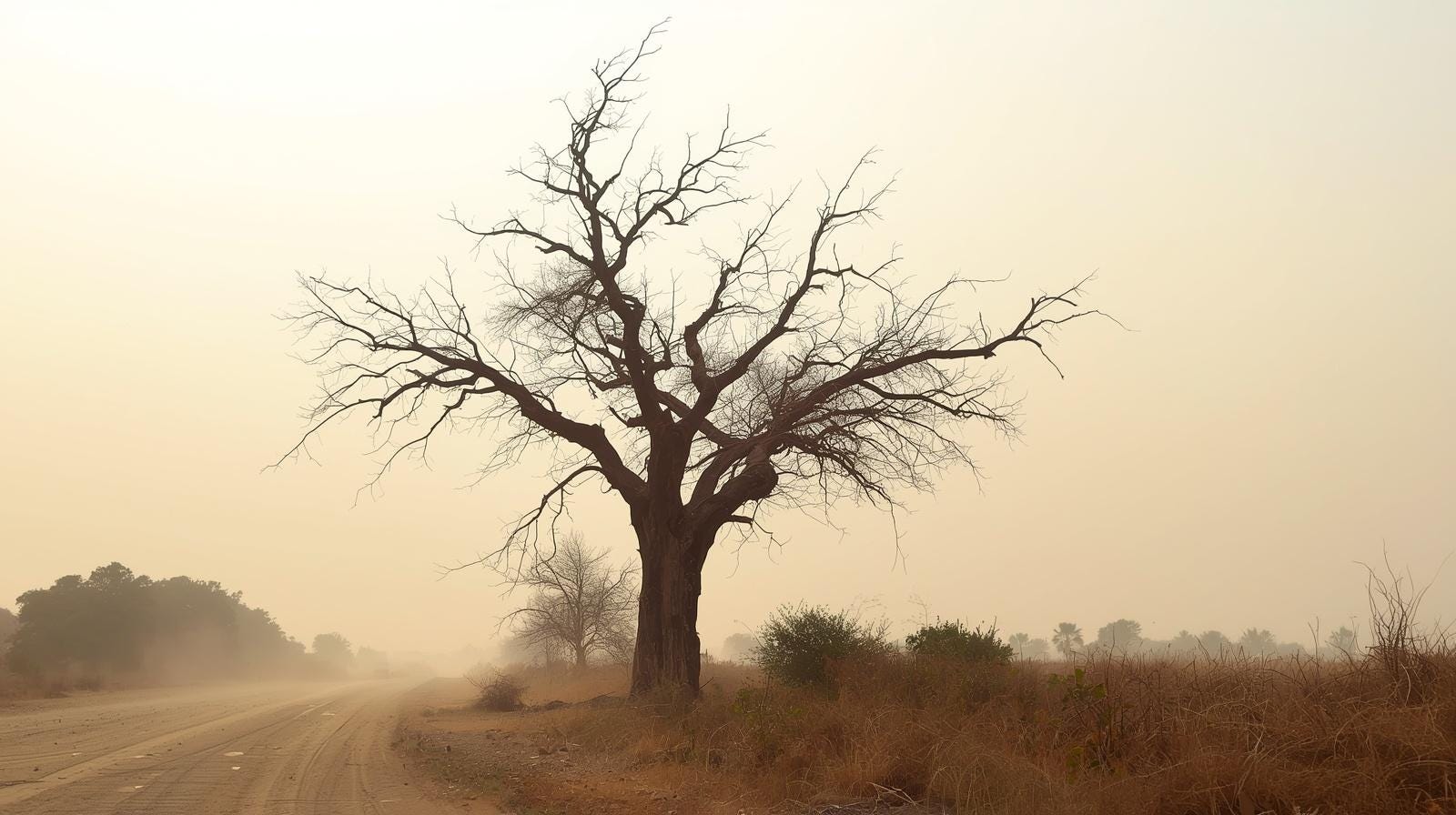
Matthew 21:18-22 (NIV)
18 Early in the morning, as Jesus was on his way back to the city, he was hungry.
19 Seeing a fig tree by the road, he went up to it but found nothing on it except leaves. Then he said to it, “May you never bear fruit again!” Immediately the tree withered.
20 When the disciples saw this, they were amazed. “How did the fig tree wither so quickly?” they asked.
21 Jesus replied, “Truly I tell you, if you have faith and do not doubt, not only can you do what was done to the fig tree, but also you can say to this mountain, ‘Go, throw yourself into the sea,’ and it will be done.
22 If you believe, you will receive whatever you ask for in prayer.”
Leaves Without Fruit
This is one of the strangest moments in the gospel and it is worth sitting with before moving to the teaching that comes out of it.
Jesus is hungry. He sees a fig tree with leaves and goes to it looking for fruit. He finds nothing but leaves. And He curses it. Immediately it withers.
On the surface this seems harsh. The fig tree was just being a fig tree. But the context is everything.
Fig trees in Palestine would develop small edible buds at the same time as the leaves appeared — before the full fruit season arrived. So a tree covered in leaves but without even these early buds was making a promise it was not keeping. The leaves announced — I have something. Come and look. And when you arrived there was nothing.
The leaves without fruit are the image of religion without reality. The appearance of life without the substance of it. The announcement of something that turns out to be empty when you get close enough to look properly.
Jesus had just cleared the temple the day before. He found the house of God — which should have been a place of prayer and genuine encounter with God — full of merchants and money changers. Leaves. No fruit. And He drove them out.
The fig tree is not an isolated incident of a bad temper on a hungry morning. It is a sign. A living parable about what happens to the thing that promises much and produces nothing.
The Gap Between Leaves and Fruit
The fig tree had no problem producing leaves.
Leaves are easy. Leaves are visible. Leaves make the tree look healthy and productive from a distance. But leaves are not what a hungry person needs when they come looking for something to eat.
There is a version of faith that is very good at producing leaves.
The right language. The correct beliefs. The Sunday attendance. The religious vocabulary. The appearance of spiritual life from the outside. All of it can be present and sustained with a certain level of effort — while the fruit that genuine faith is supposed to produce remains absent.
Fruit is different from leaves. Fruit takes longer. Fruit requires the tree to be genuinely connected to its root system — drawing up water and nutrients from deep in the ground and converting them into something that can actually nourish another person. You cannot manufacture fruit. You can only cultivate the conditions for it.
The fruit Jesus is looking for in a life of faith is not the same as religious performance. It is the real stuff — love that costs something, patience that holds under pressure, generosity that gives from genuine abundance rather than the need to appear generous, peace that does not collapse when circumstances turn hard.
That kind of fruit does not come from trying harder to look fruitful. It comes from going deeper in the root system. From genuine connection to Him rather than careful management of appearances.
Immediately
The withering was immediate.
Not gradual. Not after a few days of slow decline. The disciples looked and the tree was already withered from the roots up. The curse had gone straight to the source.
There is something sobering in the immediacy of it. The thing that produced leaves without fruit did not get a long extended chance to reform. The gap between what it appeared to be and what it actually was — once addressed — resolved instantly.
I think about this in the context of the final judgement passages we have read. The day known only to God. The awakening of multitudes. The moment when what each person actually is becomes fully visible without the leaves to obscure it.
The immediacy of the withering is not a picture of God being impatient or looking for an excuse to judge. It is a picture of what happens when the gap between appearance and reality is finally closed. When the leaves no longer have the root system to sustain them. When what was always true underneath becomes what is visible on the surface.
The invitation is not fear. It is honesty. Deal with the gap now. Work on the roots now. Produce genuine fruit now — not because judgment is coming but because a life of genuine fruit is infinitely better than a life of impressive leaves.
Faith and Do Not Doubt
The disciples are not asking about the fig tree’s theological significance. They are amazed by the speed.
How did it wither so quickly?
And Jesus pivots immediately from the sign to the teaching.
Truly I tell you if you have faith and do not doubt — not only can you do what was done to the fig tree but you can say to this mountain go throw yourself into the sea and it will be done.
Faith and do not doubt. Those two things together. Not faith that occasionally doubts and then recovers. Not faith in the absence of all uncertainty. But faith that does not doubt in the moment of speaking. Faith that has settled something in the heart before the words come out.
The mountain going into the sea is not primarily a promise about miraculous geography. It is a statement about the scope of what genuine faith can address. The immovable things in our lives — the situations that look like they will never change, the mountains that have been sitting there so long we have started to think of them as permanent — are not beyond the reach of faith directed by God.
The qualifier is important. This is not a blank cheque for anyone to decree anything they feel like into existence. It is a statement about the kind of faith-filled prayer that is aligned with what God is doing and speaks from that alignment without wavering.
If You Believe
Verse 22 is one of the most quoted and most misunderstood verses in the gospel.
If you believe you will receive whatever you ask for in prayer.
This has been taken out of context and turned into a prosperity formula. Name it and claim it. Believe hard enough and God must deliver. But that reading ignores everything else Jesus taught about prayer — about asking according to God’s will, about the Father giving good gifts rather than every requested gift, about the Son in Gethsemane asking for the cup to pass and submitting to the Father’s answer.
What Jesus is describing here is not a technique for getting whatever you want from God if you can manufacture sufficient belief. He is describing the posture of a person whose faith is so rooted in who God is and what God is doing that what they ask for in prayer is shaped by that rootedness.
The believing is not a force applied to God to make Him comply. It is a trust so deep in the goodness and power of God that prayer flows from that trust rather than from anxiety or desperation or self interest.
That kind of believing is not manufactured by effort. It grows from the same place that genuine fruit grows from — deep roots in genuine relationship with Him.
Fruit That Lasts
This passage begins with a tree full of leaves and ends with a promise about the power of genuine faith.
The connection between them is the question of what is real underneath the surface.
The fig tree had impressive leaves and no fruit. Its roots could not sustain what its appearance promised. And it withered the moment the gap was exposed.
The person Jesus is describing in verses 21 and 22 has something different. Not necessarily an impressive appearance. Not the most polished leaves. But genuine faith that goes deep. Roots that are actually connected to the source of life. And from that genuine rootedness — prayer that moves mountains because it is praying from the place where God already is.
The invitation of this passage is not primarily about mountain moving. It is about roots. About going deep enough in genuine faith that what comes out of our lives is real fruit rather than impressive leaves.
Tend the roots. Deal honestly with the gaps between appearance and reality. Do not be the fig tree that announces itself from a distance and has nothing when Jesus arrives.
The fruit He is looking for is grown in the quiet unseen places where roots go down. Not in the visible management of how things appear from the road.
Walk On
Be honest about the gap between leaves and fruit today.
Not in condemnation. Just honestly — where is the appearance outrunning the reality? Where does the root system need more attention than the leaf production?
Tend the roots. Pray from that deep place. And trust the God who moves mountains with the faith of people who have gone deep enough not to doubt.
Genuine fruit is worth more than impressive leaves. 🤍
If this reflection spoke to you, consider subscribing to follow along my journey of faith, meditation, and rebuilding — one day at a time. Your support truly means more than you know ❤️