

Good Soil
Still other seed fell on good soil, where it produced a crop — a hundred, sixty or thirty times what was sown.

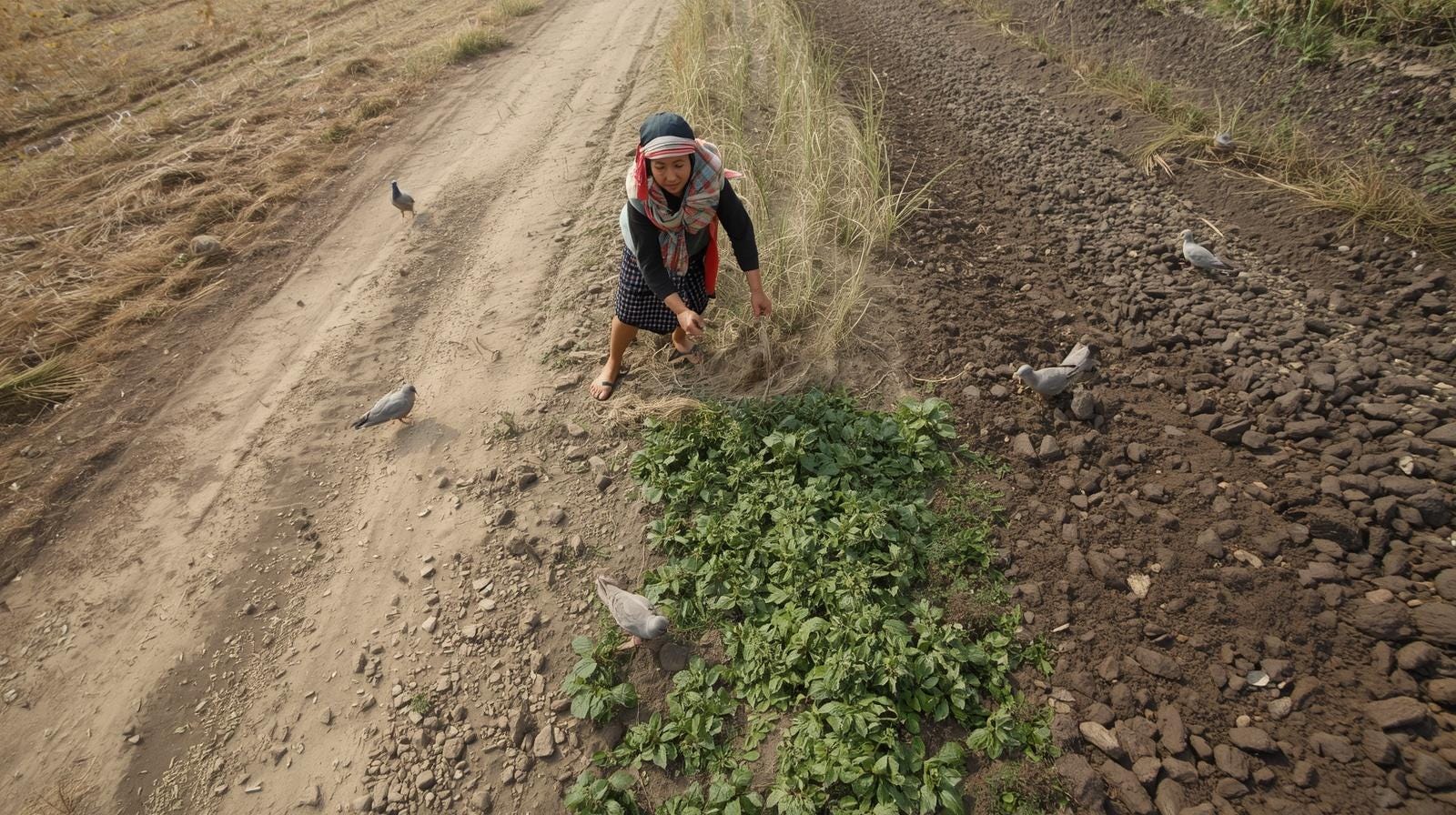
Matthew 13:3-9 (NIV)
3 Then he told them many things in parables, saying: “A farmer went out to sow his seed.
4 As he was scattering the seed, some fell along the path, and the birds came and ate it up.
5 Some fell on rocky places, where it did not have much soil. It sprang up quickly, because the soil was shallow.
6 But when the sun came up, the plants were scorched, and they withered because they had no root.
7 Other seed fell among thorns, which grew up and choked the plants.
8 Still other seed fell on good soil, where it produced a crop — a hundred, sixty or thirty times what was sown.
9 Whoever has ears, let them hear.”
The Farmer Went Out to Sow
The farmer in this parable does not sort the ground before he sows.
He just scatters. Generously. Widely. Seed going in every direction across every kind of ground without first conducting a soil survey to determine which patches are worth the investment. He throws the seed and lets it land where it lands.
That is the first thing to notice about how God’s Word goes out into the world.
It is not carefully rationed only to the people who appear most likely to receive it well. It is scattered broadly. Generously. To the path and the rocky ground and the thorns and the good soil — all of it receiving seed from the same hand. The farmer does not withhold from the difficult ground. He sows across all of it and lets what happens happen.
This tells us something about how God works and something about how we are called to work. We do not always get to know in advance which ground is which. The person who looks like rocky soil might be good soil that nobody has ever watered. The path that looks hardened might have a layer of good ground just underneath. Our job is not to assess and withhold. Our job is to scatter.
The Path
Some seed fell along the path and the birds came and ate it up.
The path is the hardest ground in the parable. Packed down by foot traffic. So compacted that the seed cannot penetrate the surface at all. It sits on top exposed and vulnerable and the birds take it before it has any chance to become anything.
Jesus explains later in Matthew 13 that the birds represent the evil one who comes and snatches away what was sown in someone’s heart before it can take root.
The path is the heart that is so hardened by what it has been through that nothing gets in. Not through wickedness necessarily — sometimes just through traffic. The accumulated weight of too many disappointments, too many broken promises, too many experiences that taught this heart to keep everything at surface level because letting things in leads to pain.
The hardened heart is not always a hostile heart. Sometimes it is just a tired one. A worn one. One that has had so many people walk over it that it stopped being able to receive.
If that is where you find yourself today — God is still scattering seed on the path. The hardening is not permanent. The same rain that softens the ground in a field can soften a path if it falls long enough and the traffic stops long enough to let it.
The Rocky Ground
The rocky ground is more complicated than the path and in some ways harder to recognise.
The seed lands in rocky places where there is some soil but not much. And it springs up quickly — which looks like success. The growth is fast. The response is enthusiastic. Something is visibly happening and from the outside it looks promising.
But the roots have nowhere to go. The soil is shallow and underneath is rock. And when the sun comes up — when the heat arrives, when the pressure builds, when following Jesus costs something real — the plant withers because there is nothing anchoring it.
This is the person who receives the Word with joy. Who responds quickly and enthusiastically. Who starts well with genuine excitement. But whose faith has never been given the conditions to go deep.
Deep roots require depth of soil. And depth of soil requires the difficult work of breaking up what is underneath the surface. Rocky ground does not become deep soil easily or quickly. It requires the kind of slow patient work that does not look impressive while it is happening.
The question the rocky ground asks us is — how deep are my roots? When the heat comes do I wither or do I hold? The answer reveals whether we have been tending the surface or working on the depth.
The Thorns
The thorny ground is the most contemporary of the four soils.
The seed lands and grows. It is not scorched by heat or snatched by birds. It gets somewhere. But then the thorns grow up alongside it and gradually, steadily, relentlessly choke it until it produces nothing.
Jesus explains the thorns elsewhere — the worries of this life and the deceitfulness of wealth and the desires for other things. Not dramatic sin. Not outright rebellion. Just the ordinary accumulation of concerns and comfort and distraction that crowds out what God is trying to grow.
The thorny ground person is often someone who looks pretty fine from the outside. They are in the church. They believe the right things. They are not hostile to God. They are just — occupied. Crowded out. The thorns grew up while they were not paying attention and now the Word is present but unfruitful because there is simply not enough space left for it.
The worries of this life. The deceitfulness of wealth. The desires for other things.
That list describes a lot of people in a lot of seasons. Including seasons I have been in myself. The thorns are not dramatic. That is what makes them so effective. They grow gradually and quietly until one day you realise that what used to be fruit is now just thorns.
The Good Soil
And then there is the good soil.
Not perfect soil. Not soil that was always good and never had to deal with rocks or thorns or hard packed surfaces. Just — good soil. Soil that received the seed and gave it the conditions to do what seed does when conditions are right.
And the result was a crop — a hundred, sixty or thirty times what was sown.
The multiplication is staggering. One seed becoming a hundred. The return on what was planted being so dramatically greater than the investment that it transforms the whole picture.
That is what happens when the Word of God lands in a heart that is genuinely open to it. Not a heart that is without challenges or perfectly free of rocks and thorns. But a heart that keeps working on the soil. That keeps returning to the Word. That keeps making space for roots to go deeper and for the thorns to be pulled out and for the hardened places to be softened.
Good soil is not an accident. It is cultivated. It is the result of someone choosing to tend what God has entrusted to them over time rather than leaving it in whatever condition it happened to be in when the seed first landed.
Whoever Has Ears Let Them Hear
Jesus closes the parable with a line that is itself an invitation to be good soil.
Whoever has ears let them hear.
Not — whoever is smart enough to decode this. Not — whoever has the theological training to understand it. Whoever has ears. Which is everyone. The question is not whether you have ears. The question is whether you are using them.
Hearing in Scripture is almost never just about the physical reception of sound. It is about receiving, responding, letting what entered through the ears travel all the way down into the heart and take root there.
The birds can only snatch what stays on the surface. The heat can only scorch what has no root. The thorns can only choke what never cleared enough space. But what goes deep — what is genuinely heard and received and given room to grow — produces fruit that is out of proportion to what was originally planted.
Whoever has ears let them hear. That is you. Today.
The question is what kind of ground you are offering to what you are hearing.
What Kind of Soil Am I
This parable is not primarily about other people.
It is a mirror.
Every time we hear the Word — in Scripture, in a sermon, in a reflection like this one — the question underneath it is always what kind of ground is this landing on today. Not in theory. Not generally. Today. In this season. With everything that is currently competing for space in my heart.
Am I the path — so worn down that nothing is getting in right now?
Am I the rocky ground — responding quickly but never going deep enough for roots?
Am I the thorny ground — believing genuinely but so crowded with other things that fruit keeps getting choked out?
Or am I making the choices that tend toward good soil? Reading the Word consistently. Pulling out the thorns when I notice them. Letting the rain of God’s presence soften what has hardened. Making space for roots rather than just surface growth.
The soil can change. That is the hope underneath this parable. We are not fixed in whatever type we happen to be right now. The hard path can be broken up. The rocky ground can have rocks removed. The thorns can be cleared.
The farmer is still scattering seed. The question is what we are doing with our ground.
Walk On
Tend the soil today.
Pull out a thorn. Let something go deep that has only been sitting on the surface. Soften what has hardened through too much traffic.
The seed is good. The farmer is generous. The harvest from good soil is beyond what you can currently imagine.
Whoever has ears — hear. 🤍
If this reflection spoke to you, consider subscribing to follow along my journey of faith, meditation, and rebuilding — one day at a time. Your support truly means more than you know ❤️