

Leaves Sprout
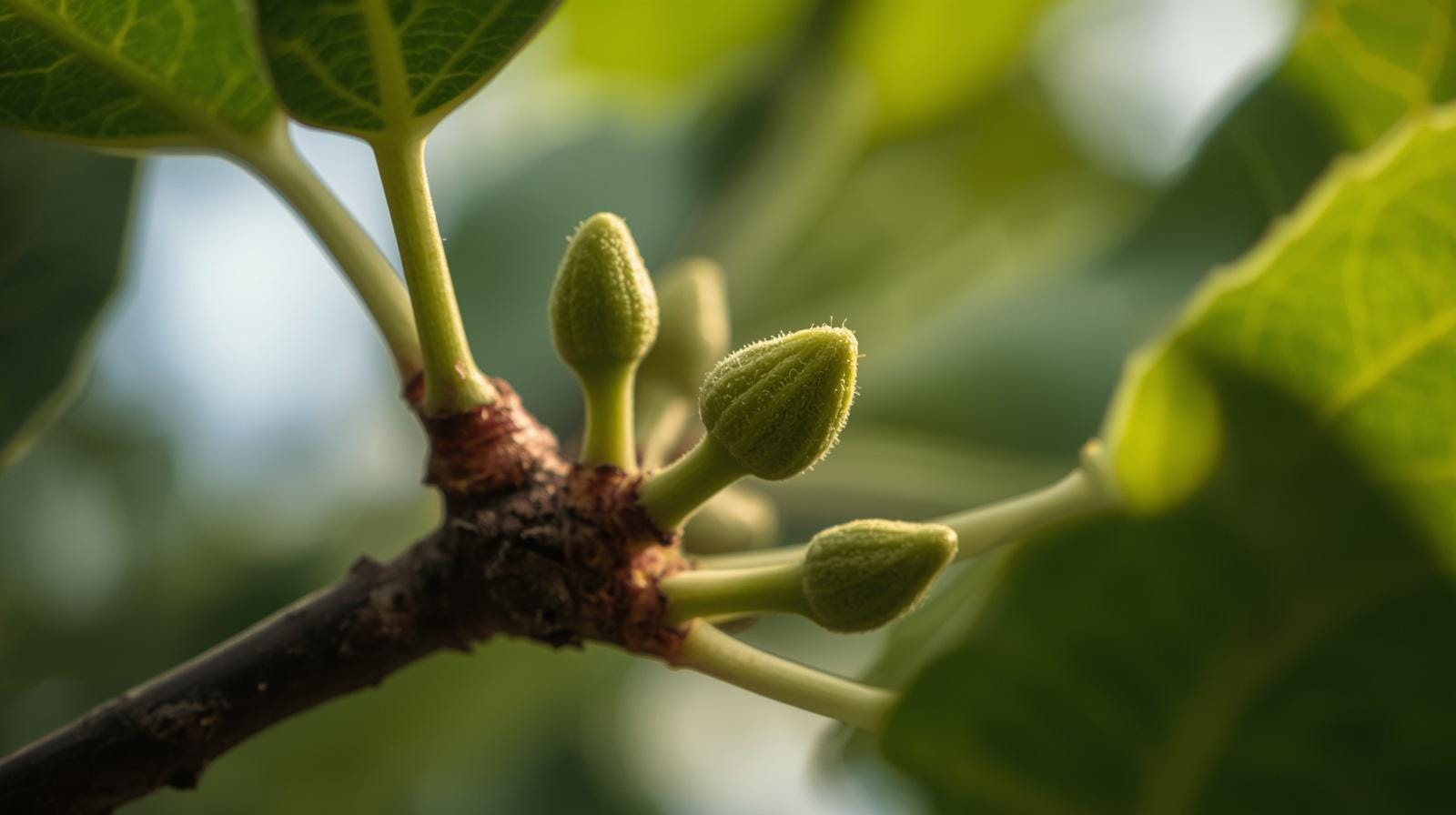
When they sprout leaves, you can see for yourselves and know that summer is near. Even so, when you see these things happening, you know that the kingdom of God is near.

Luke 21:29-36 (NIV)
29 He told them this parable: “Look at the fig tree and all the trees. 30 When they sprout leaves, you can see for yourselves and know that summer is near. 31 Even so, when you see these things happening, you know that the kingdom of God is near.
32 “Truly I tell you, this generation will certainly not pass away until all these things have happened. 33 Heaven and earth will pass away, but my words will never pass away.
34 “Be careful, or your hearts will be weighed down with carousing, drunkenness and the anxieties of life, and that day will close on you suddenly like a trap. 35 For it will come on all those who live on the face of the whole earth. 36 Be always on the watch, and pray that you may be able to escape all that is about to happen, and that you may be able to stand before the Son of Man.”
The Lesson of the Fig Tree
Jesus has been describing the signs that precede the end of the age — wars and rumours of wars, nations in anguish, the powers of the heavens shaken, the Son of Man coming in a cloud with power and great glory. It is a passage full of cosmic disturbance and difficult imagery. And then He tells them to look at a fig tree.
The movement from cosmic signs to a budding tree is deliberate. He is not changing the subject. He is showing them how to read the subject.
Nobody needs to be told what a sprouting fig tree means. You do not require special knowledge or theological training. You look at the leaves and you know — summer is near. The sign is readable. The conclusion is available to anyone who bothers to look. The tree is telling you something about what is coming, clearly, in a language everyone understands.
This is what the signs of the kingdom are supposed to function like for those who are paying attention. Not impenetrable mysteries requiring expert interpretation. Readable indicators — available to anyone with eyes open — that point toward what is approaching. The person who knows what a budding tree means is not caught by surprise when summer arrives. They saw it coming. The knowledge was available to them because they were watching.
The parable is not primarily about the signs themselves. It is about the posture of the people observing them. Are you looking? Are you reading what is in front of you? Or are you looking at the budding tree and not thinking about what follows it?
Heaven and Earth Will Pass Away
The declaration Jesus makes in verse 33 is one of the most absolute in the gospel.
Heaven and earth will pass away, but my words will never pass away.
He places His words above the most permanent things in creation. Heaven and earth — the framework of everything that exists, the container of all of human experience, the structure that has been in place since the beginning — will pass away. They are not the ultimate permanence. They are not the final reality. They are temporary in the most literal sense — they have a beginning and they will have an end.
His words will not.
This is an extraordinary claim. A teacher’s words outlasting the physical universe. The words spoken in Galilee and Jerusalem and the temple courts — spoken to fishermen and tax collectors and Pharisees and the crowds — more durable than the sky above and the ground beneath. More permanent than the stars that will fall and the powers that will be shaken.
The claim is also a foundation. If His words are more permanent than heaven and earth, then what He has said about the kingdom, about the signs, about the Son of Man coming in glory — these are not contingent on whether the world cooperates with them. They are not dependent on circumstances being right or timing being convenient. They will happen because He said they would happen. And His words do not pass away.
This is the ground on which watchfulness is worth maintaining. Not the watchfulness of anxious speculation about dates and sequences, but the steady attentiveness of someone whose confidence rests on the permanence of what has been spoken rather than the apparent stability of present circumstances.
The Three Weights
Having established the permanence of His words and the certainty of what is coming, Jesus turns to the practical question of what threatens the watchfulness He is calling for.
Be careful, or your hearts will be weighed down with carousing, drunkenness and the anxieties of life.
Three things. Each one a different kind of weight on the heart that produces the same result — a dulled, inattentive, unprepared person who is caught by the arrival of that day like an animal caught in a trap.
Carousing and drunkenness are the obvious ones — the deliberate pursuit of sensation, the numbing of the inner life through pleasure and excess. These are not primarily moral failures in the way this passage uses them. They are attentional failures. The person given over to carousing is not watching. They are not paying attention to the budding trees. They are looking inward and downward at their own comfort and gratification, and the world outside that orbit has ceased to exist for them.
But the third weight is the one that is easiest to miss precisely because it is the most common.
The anxieties of life.
Not the obvious vices. Anxiety. The grinding, ordinary, daily weight of worry about money and health and relationships and the future and whether things will work out and what the news means and whether we are doing enough. The anxieties of life — the ones that come with being alive in a world of uncertainty — can weigh down the heart as effectively as drunkenness, and they do it without any of the obvious warning signs. The person drowning in anxiety does not look like someone who has abandoned their faith. They look like someone who is taking life seriously. But the heart weighed down by anxiety is not watching for the kingdom any more than the heart weighed down by carousing is.
Jesus places them together because they produce the same result — the closing of the trap on an unprepared person.
Like a Trap
That day will close on you suddenly like a trap.
The trap metaphor is precisely chosen. A trap works by appearing to be something other than what it is. The animal does not walk into the trap because it is reckless. It walks in because something looks like food, like safety, like the ordinary texture of the path ahead — and by the time the mechanism closes, it is too late. The suddenness is not separate from the ordinariness. The trap closes suddenly precisely because nothing in the approach announced that it was there.
This is what the weighing down of the heart produces. Not dramatic apostasy. Not a sudden decision to stop believing. Just the gradual accumulation of weight — the carousing, the drunkenness, the anxieties — that turns attention away from the signs and toward the immediate, the sensory, the pressing. And the day comes like summer comes — suddenly, to the person who was not watching the trees. Not actually sudden, because the signs were there all along. But sudden in experience, because the experience was not attending to the signs.
The trap does not discriminate. It will come on all those who live on the face of the whole earth. Not on the particularly careless. Not on a subset of obviously unreligious people. On all. The universality of the coming is the urgency behind the watchfulness. There is no population exempt from the need to be ready.
Be Always on the Watch
The command Jesus gives is continuous. Always on the watch. Not watchful in the seasons that seem significant. Not alert when the signs seem close. Always. The same quality of attentiveness across all the ordinary days that do not feel like the kind of days on which the Son of Man would come — which, by definition, is most of them.
This is harder than it sounds. Always is the word that exposes the gap between the watchfulness we intend and the watchfulness we actually maintain. The person who is watchful on Sunday and distracted on Wednesday. The person who fixes their eyes on the kingdom in prayer and then spends the next six hours weighted down by the anxieties of life until the watching has been functionally suspended. Always is the standard and it is genuinely difficult.
But Jesus does not leave them with only a command. He adds a means.
Pray that you may be able to escape all that is about to happen, and that you may be able to stand before the Son of Man.
The prayer is the mechanism of the watchfulness. Not watchfulness produced by effort alone — the gritting of teeth and the forcing of attention. But watchfulness sustained by ongoing prayer. The turning of the heart toward God regularly, consistently, as the practice that keeps the eyes from being pulled down by the weights. The person who prays about the day that is coming is the person who has not forgotten that it is coming. The person who prays to stand before the Son of Man is orienting their life around that standing in a way that changes what gets prioritised and what gets set down.
The prayer is also an acknowledgment of dependence. That you may be able. Not that you will demonstrate your own readiness. Not that your watchfulness will be sufficient. That you may be able — the ability coming from God in response to the asking, the readiness being something received rather than achieved. The same dependence on grace that runs through the whole gospel is present in the final instruction Jesus gives about the end of the age.
The Words That Will Not Pass Away
There is a kind of peace available in this passage that is easy to miss if you read it only as a warning.
Heaven and earth will pass away. The structures that feel most permanent — the institutions, the nations, the physical world itself — are temporary. They are not the final reality. They are the context in which the final reality is approaching. And the final reality is not the falling of the stars or the shaking of the powers — it is the coming of the Son of Man in power and great glory. The destination of the whole movement is Him.
The person who knows this is not primarily frightened by the signs. They are watching for the approach of the one who is coming. The budding tree is not a harbinger of disaster. It is the signal that summer is near. And summer is not a threat to the person who has been watching for it. It is what the watching was for.
That you may be able to stand before the Son of Man.
Not to survive the chaos. Not to escape unpleasant circumstances. To stand before Him. That is the goal the prayer is oriented toward. That is what the watchfulness is maintaining readiness for. The whole passage is moving toward a standing — before the one whose words will not pass away even when heaven and earth have done so.
The person who stands well before the Son of Man is not the person who successfully navigated the signs with the most accurate interpretation. It is the person whose heart was not weighed down — who kept watching, kept praying, kept oriented toward the one who is coming. The person whose whole life was tilted toward that standing rather than toward the pleasures and anxieties that pull the heart away from it.
Walk On
There are two temptations this passage speaks to and most of us know both of them.
The first is the numbing — the carousing and drunkenness in whatever form they take. The deliberate turn toward sensation and distraction as a way of not thinking about the things that are harder to face. The kingdom can wait while I attend to this. The signs can be interpreted later. The watching can begin once I have taken care of what is immediately in front of me.
The second is the anxiety. The grinding, relentless, socially acceptable weight of worry about everything that might go wrong. The anxieties of life that are so normal they do not feel like a spiritual problem — they feel like responsible engagement with reality. But they produce the same closed, inward, trap-vulnerable heart that the carousing produces.
The answer to both is the same. Prayer. The turning of the heart toward the one who is coming. The orientation of the whole life toward the standing that is coming — before the Son of Man, before the one whose words will outlast heaven and earth.
Watch. Pray. Keep the heart from being weighed down by what is temporary in favour of the one who is permanent.
His words will not pass away. Neither will the standing He has made possible.
All glory to God — forever and ever. Amen. 🤍
If this reflection spoke to you, consider subscribing to follow along my journey of faith, meditation, and rebuilding — one day at a time. Your support truly means more than you know. ❤️